Talk with our engineers by joining the new Onehouse community Slack!
Cardlytics is a purchase intelligence platform. We turn verified transaction data into personalized offers and rewards, delivered through banking and commerce platforms in the U.S. and U.K. Our platform has visibility into roughly one of every two card-based transactions in both markets. When a consumer activates an offer and pays the way they normally would, the reward is credited back to their account. Because our data shows what people actually spend, we don’t have to infer intent from browsing signals or third-party cookies, and brands can measure the incremental sales their offers drive through test and control analysis.
Our platform powers card-linked offers across digital banking channels, and we are expanding into digital commerce platforms through the Cardlytics Rewards Platform. Consumers who redeem offers show 78% more card spend, 91% more transactions, and 39% more digital login days than consumers who don’t. Advertisers get a full-wallet view of spending across retail categories, and the same measurement approach shows the sales lift each campaign produces.
Operating this engine requires massive distributed data infrastructure:
- The Network Moat: Cardlytics influences one in every two card transactions in the United States, analyzing over $5.8 trillion in annual consumer spend across 225 million monthly qualified users (alongside one in four transactions and £319 billion spend across 20 million users in the UK).
- The Engineering Scale: Our platform ingests 50 TB of raw financial data daily (credit, debit, ACH, and bill-pay), processing over 1.5 PB+ of monthly persistent table data—and upwards of 4 PB per month when factoring in intermediate transformation and multi-stage shuffle workloads—across 600+ production pipelines and 5,000+ daily Apache Spark jobs.
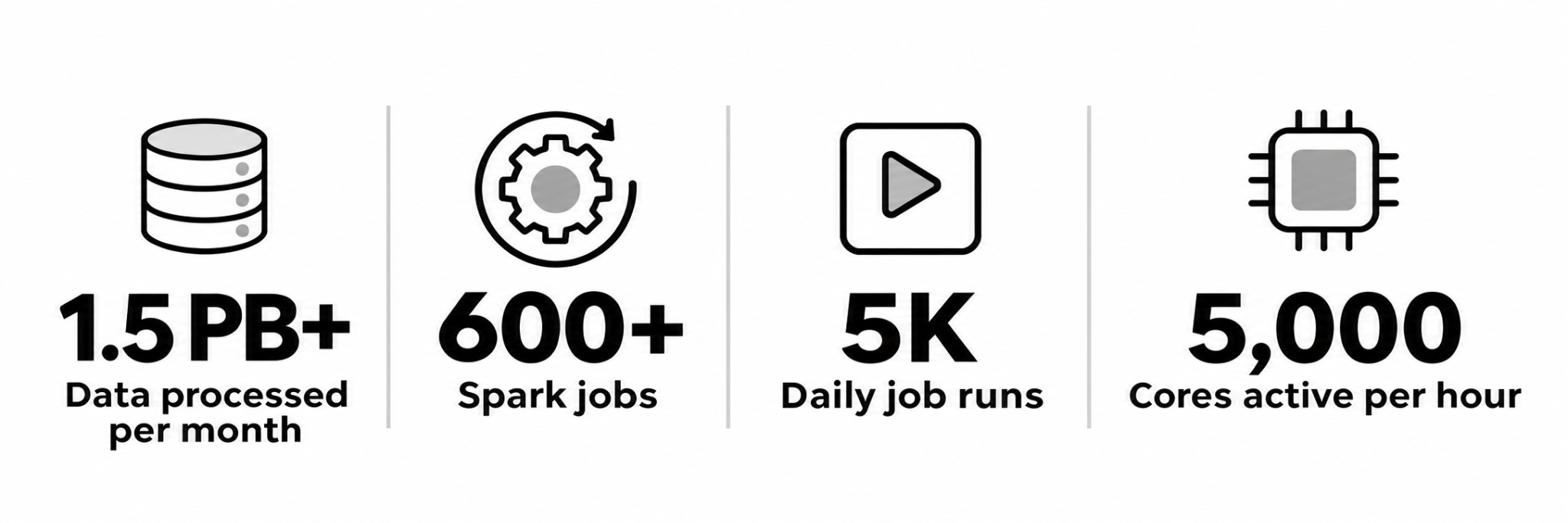
Managing this volume while guaranteeing strict bank delivery SLAs, data sovereignty, and sub-second serving pushed our self-managed infrastructure to its limits. This article details our architectural collaboration with Onehouse: how our joint teams modernized Cardlytics’ lakehouse to reduce annualized cloud infrastructure spend by $2.6 million, cut job durations by 40% to 90%, and established an “ingest once, query anywhere” foundation for Purchase Intelligence.
The Architectural Evolution: From EMR on EC2 to EMR on EKS
Cardlytics’ lakehouse infrastructure has steadily matured alongside our data volume. Over the years, our platform team navigated two major compute paradigms before arriving at our current lakehouse architecture:
Stage 1: Dedicated EMR on EC2 Clusters
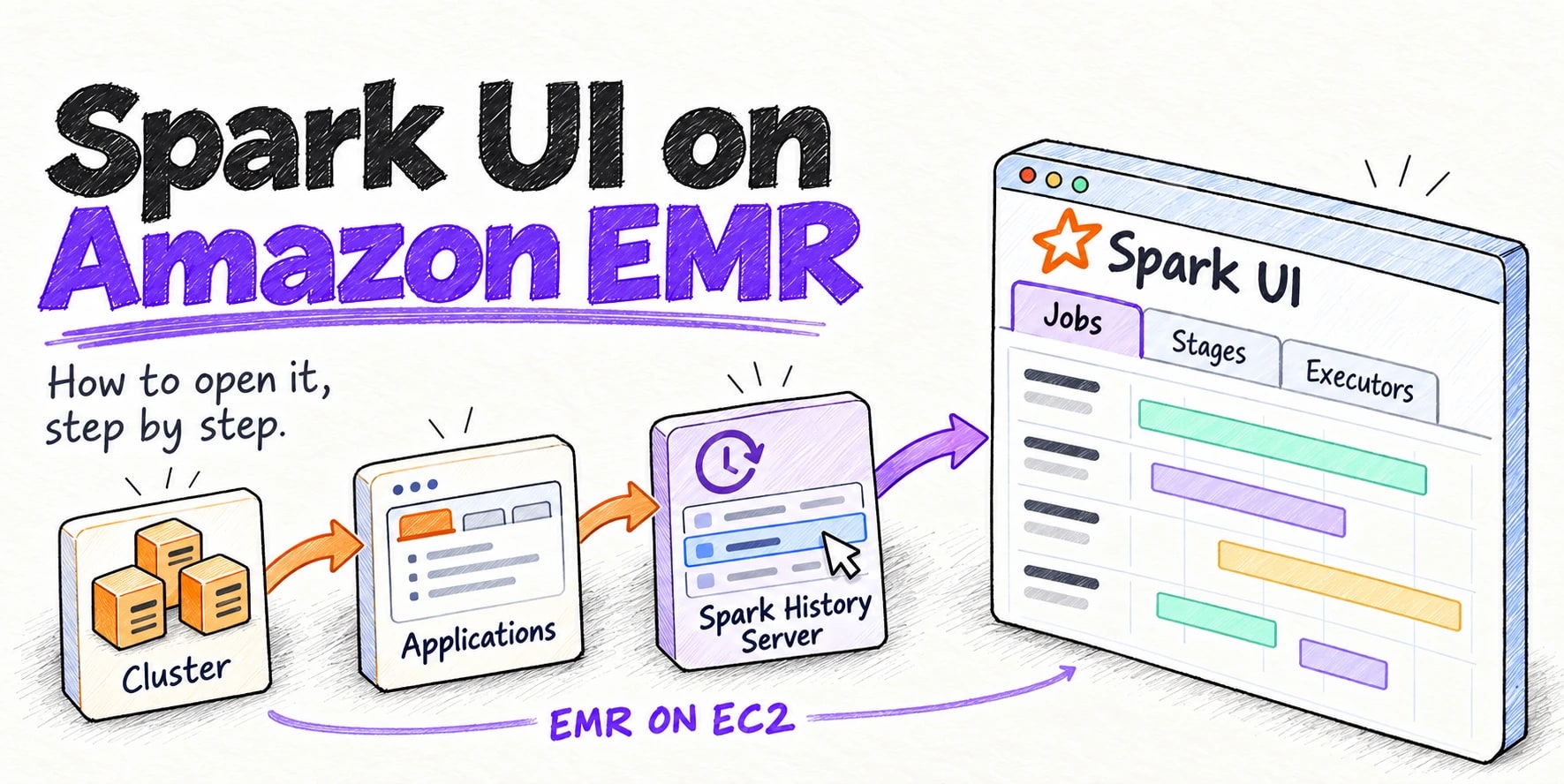
We originally executed our production data pipelines on transient Amazon EMR on Amazon EC2 clusters. In this model, individual pipelines spun up dedicated EC2 clusters and terminated them upon job completion. While this provided strict workload isolation and dependency separation, operating hundreds of transient clusters introduced severe operational drag:
- Startup Latency: Provisioning new EC2 instances and bootstrapping EMR runtimes introduced a 5- to 10-minute cold-start penalty for every scheduled job.
- Resource Inefficiency: Provisioning entire clusters for episodic batch runs resulted in substantial idle compute waste during long-tail stages and shuffle-heavy phases.
Stage 2: Containerized EMR on Amazon EKS
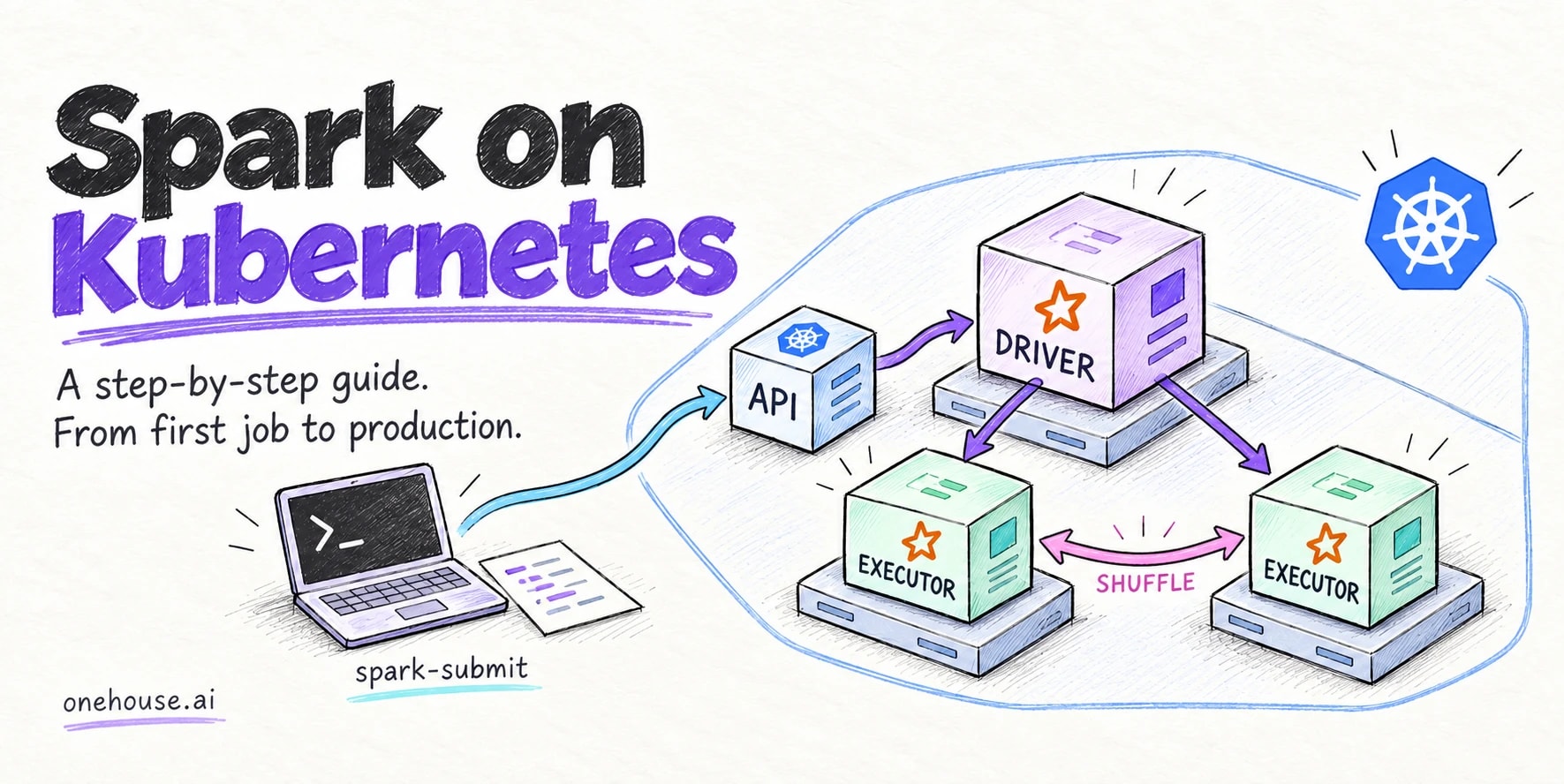
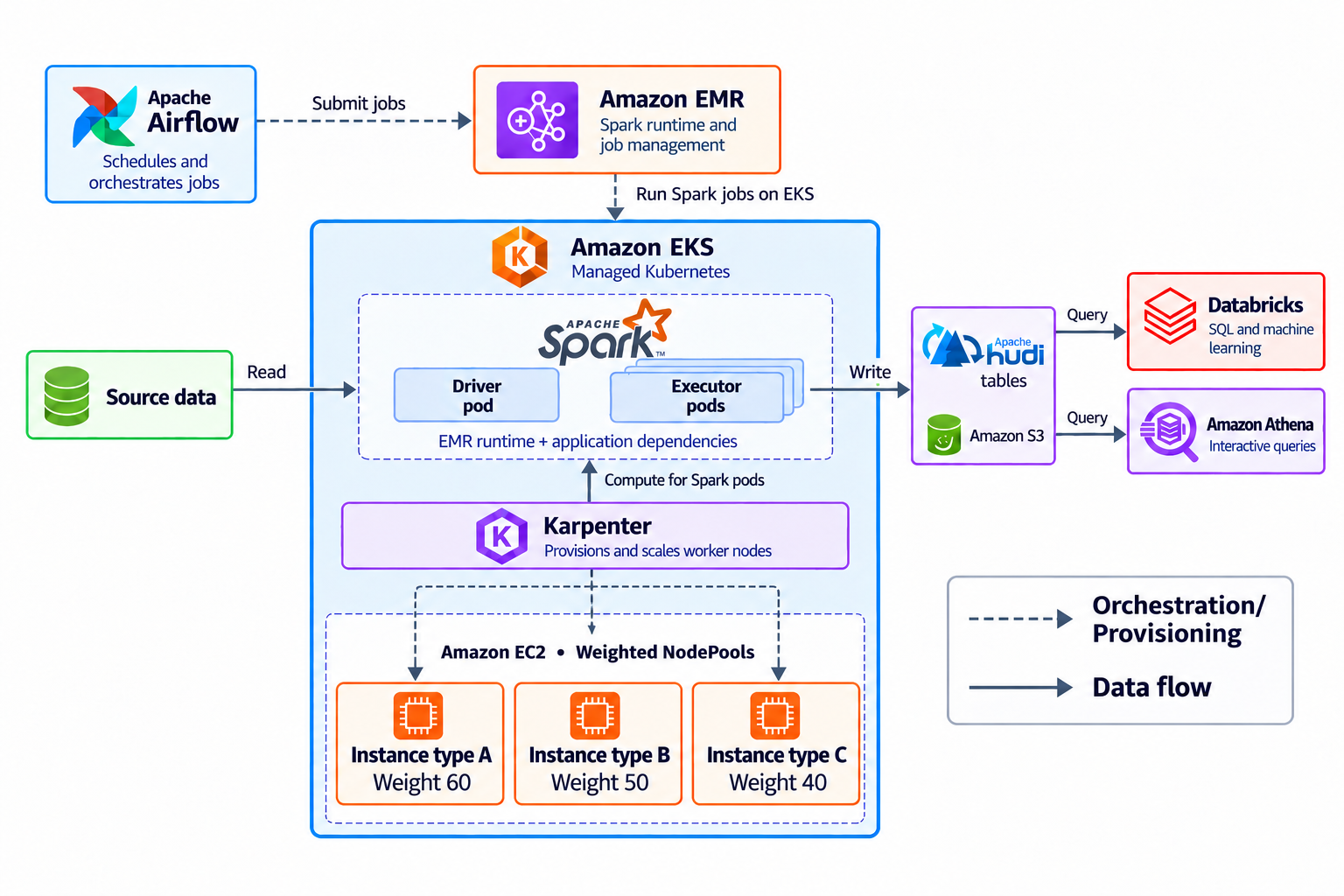
To improve compute utilization, reduce cold-start latency, and enable fine-grained resource sharing, Cardlytics migrated core workloads to Amazon EMR on Amazon EKS. In this architecture, Apache Airflow scheduled and orchestrated workloads, while EMR provided the containerized Spark runtime. Spark drivers and executors ran as Kubernetes pods, writing Apache Hudi tables to Amazon S3. Downstream, data scientists queried these tables through Databricks for machine learning and predictive audience modeling, while business intelligence analysts executed interactive queries via Amazon Athena.
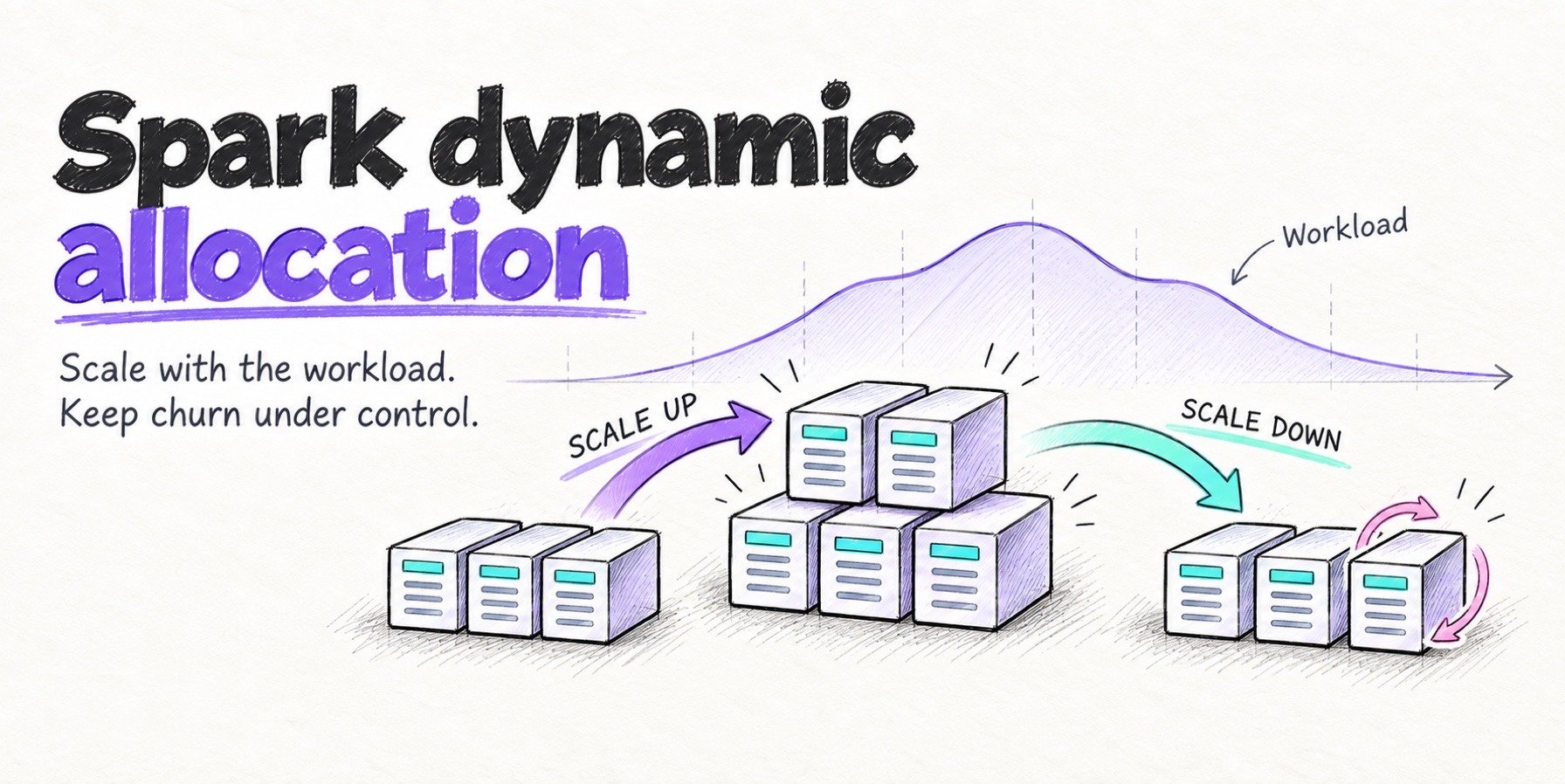
To manage compute elasticity, our platform team utilized Karpenter to dynamically provision worker nodes across Amazon EC2 weighted NodePools, favoring cost-effective AWS Graviton (ARM64) instances and Spot capacity while abstracting node lifecycle management from pipeline authors.
The Scale Ceilings of Self-Managed EMR on EKS
While EMR on EKS represented a clear step forward, operating it at our scale—processing over 4 PB monthly—revealed three critical ceilings:
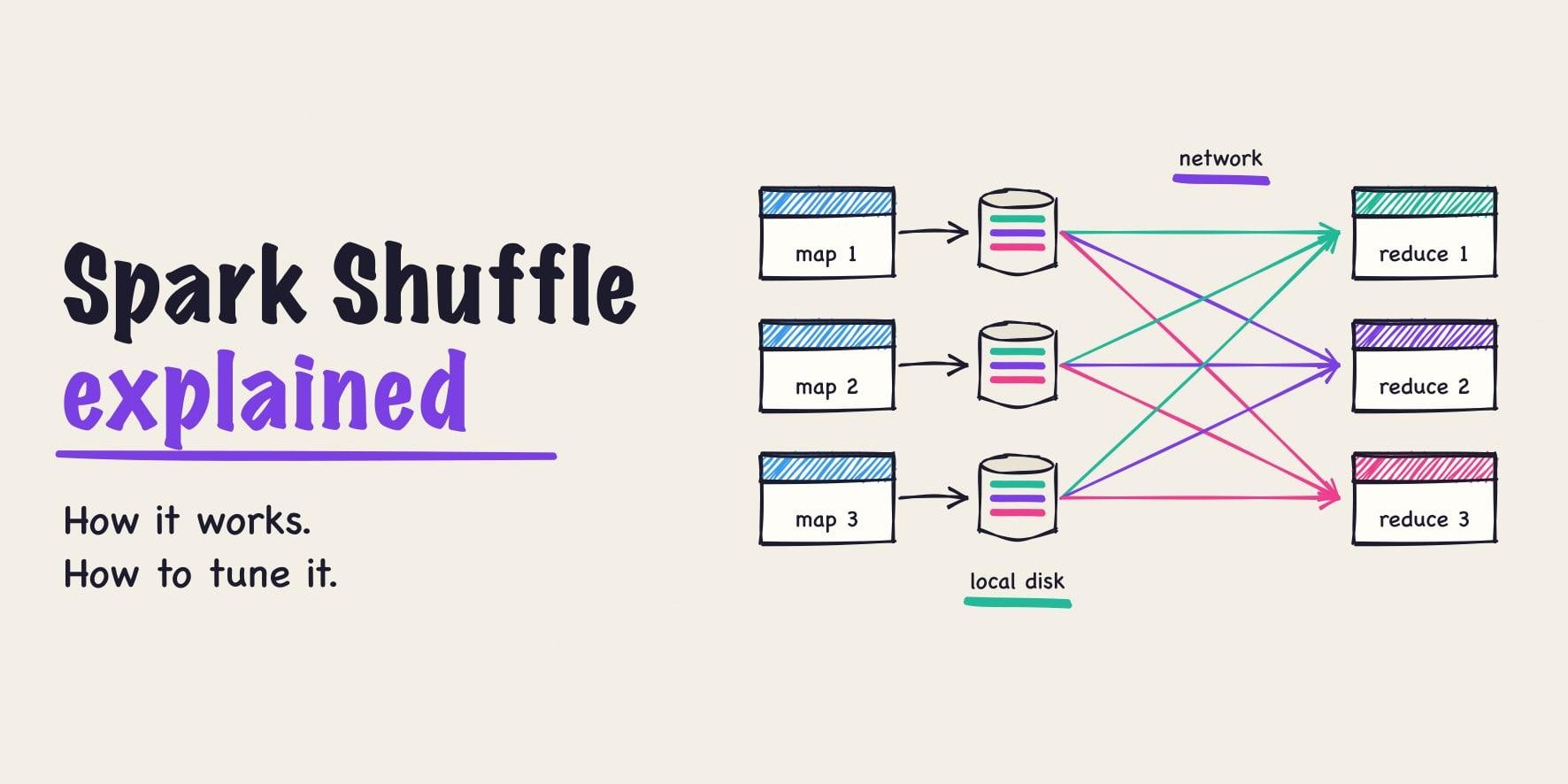
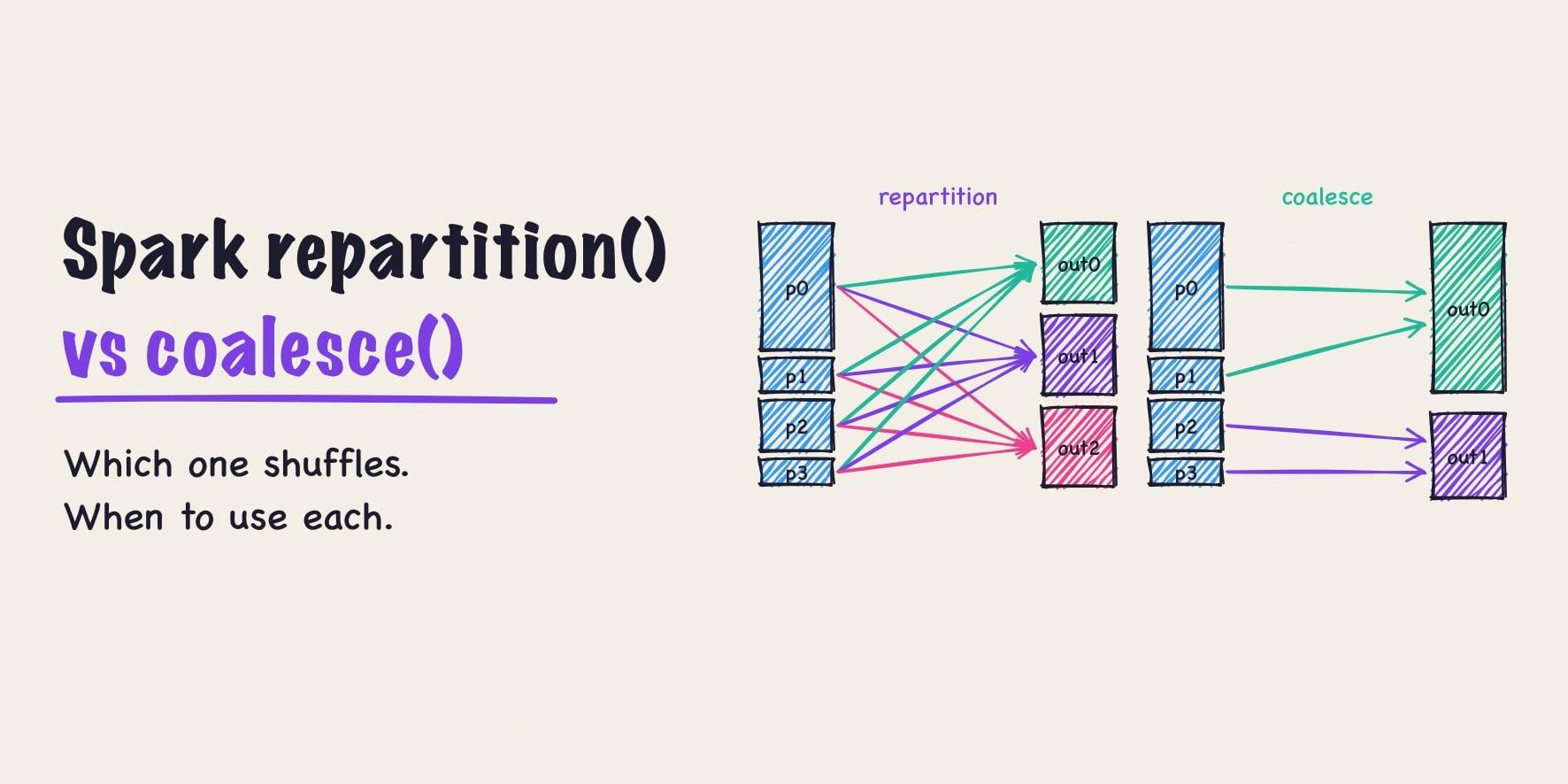
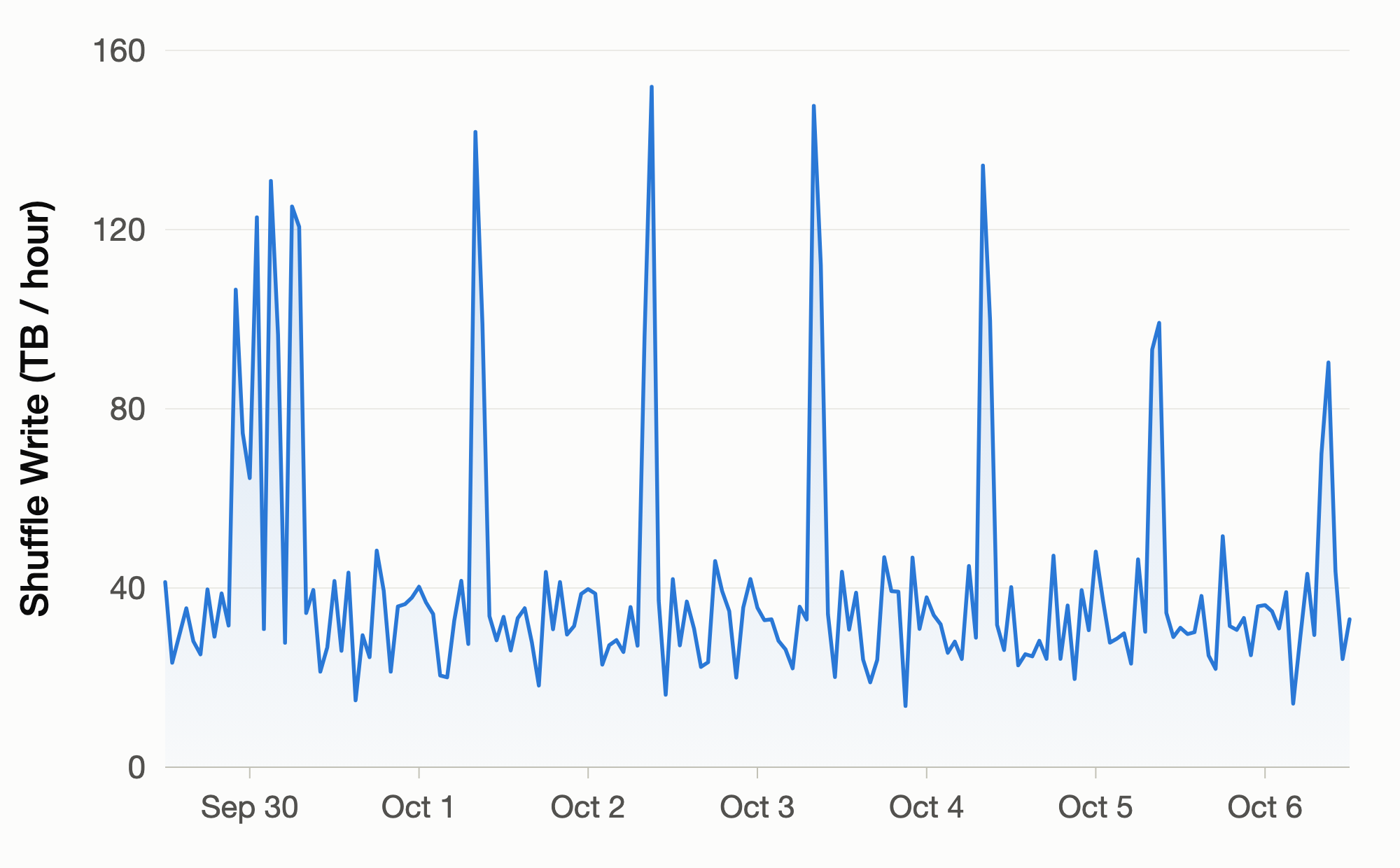
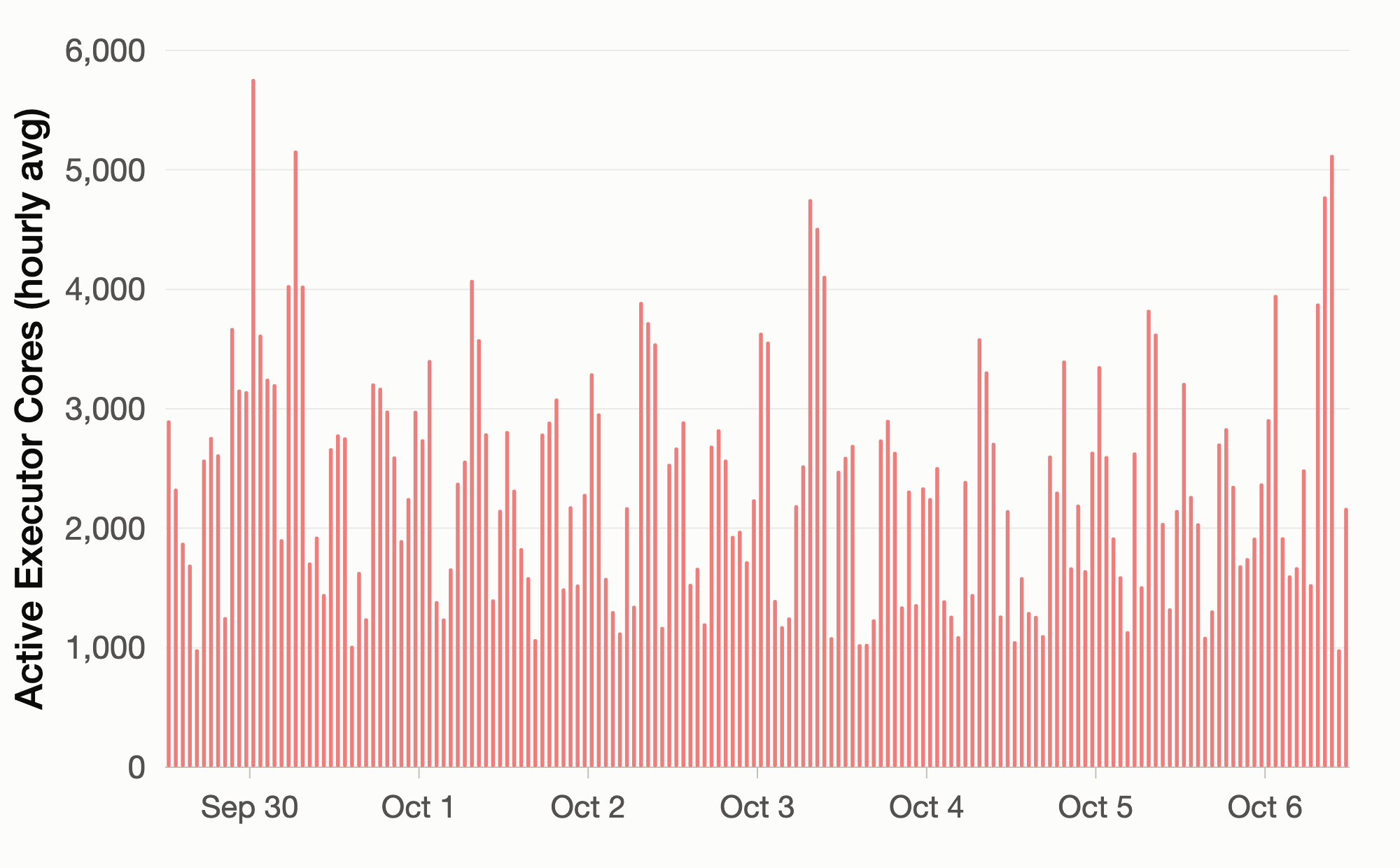
- Compounding Compute Costs and Extreme Shuffle I/O: With over 5,000 Spark runs daily, Spark execution efficiency directly dictated our cloud budget. Our transformation pipelines generated massive shuffle I/O—consistently writing 50 to 100+ TB of shuffle data per hour, with sharp daily peaks. Native Spark execution on Kubernetes led to frequent executor disk spills, extended job runtimes, and escalating infrastructure spend.
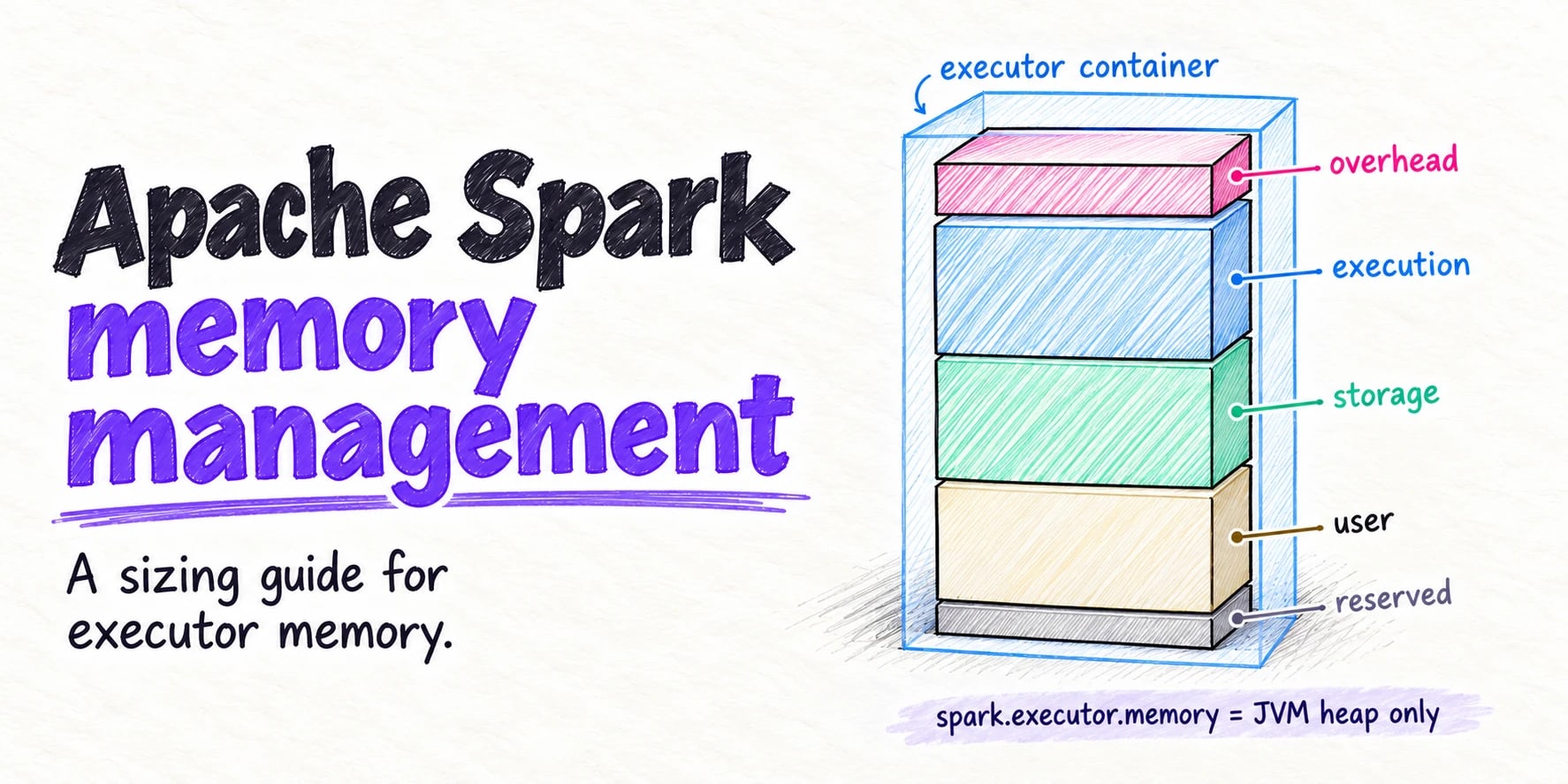
- Operational Overhead and Coupled Table Maintenance: Managing Kubernetes cluster lifecycles, fine-tuning Karpenter node-allocation policies, and debugging JVM memory pressure consumed significant engineering bandwidth. Furthermore, essential Apache Hudi table maintenance services—such as file compaction, historical cleaning, and small-file clustering—ran inline within our Spark ingestion pipelines. When table maintenance competed with ingestion for executor memory, pipelines suffered runtime bloat and cascading job failures.
- Lacking Multi-Engine “Ingest Once, Query Anywhere” Interoperability: Downstream consumers had diverged across engines: data engineering pipelines wrote to Apache Hudi, while data science teams required tables in Databricks as Delta Lake for optimal performance and feature store integration. Maintaining duplicate copies of petabyte-scale tables across formats was cost-prohibitive, yet running custom conversion pipelines introduced unacceptable data latency.
Partnering with Onehouse: The Collaborative Benchmark
Recognizing that custom orchestration patches could not solve these structural bottlenecks, Cardlytics sought an innovative technology partner specializing in managed lakehouse infrastructure. In summer 2025, Cardlytics partnered with Onehouse to evaluate whether their managed platform and native execution engine could deliver the performance, cost efficiency, and operational simplicity required at our scale.
Our evaluation centered on three non-negotiable criteria:
- Drop-in Apache Spark Compatibility: Over a decade of core Cardlytics intellectual property and optimization lived in custom Scala DataFrames, low-level Spark APIs, and custom RDD transformations. Any platform requiring code rewrites was an immediate non-starter.
- Accelerated Parquet & Table Scans: Because nearly all our pipelines read and write Parquet files or Apache Hudi tables, we required an engine that significantly accelerated columnar scans and physical write paths.
- Absolute Data Plane Sovereignty: Zero raw financial transactions or tokenized account identifiers could ever leave our dedicated AWS VPC boundary.
Onehouse brought to the partnership Quanton, an advanced native execution engine for Apache Spark designed to accelerate vectorized processing and I/O write paths while preserving 100% API compatibility with standard Spark distributions.
Working collaboratively, Cardlytics and Onehouse engineers selected several of our most critical, high-cost production pipelines and benchmarked them head-to-head on our existing EMR on EKS setup versus Onehouse’s managed Spark platform.
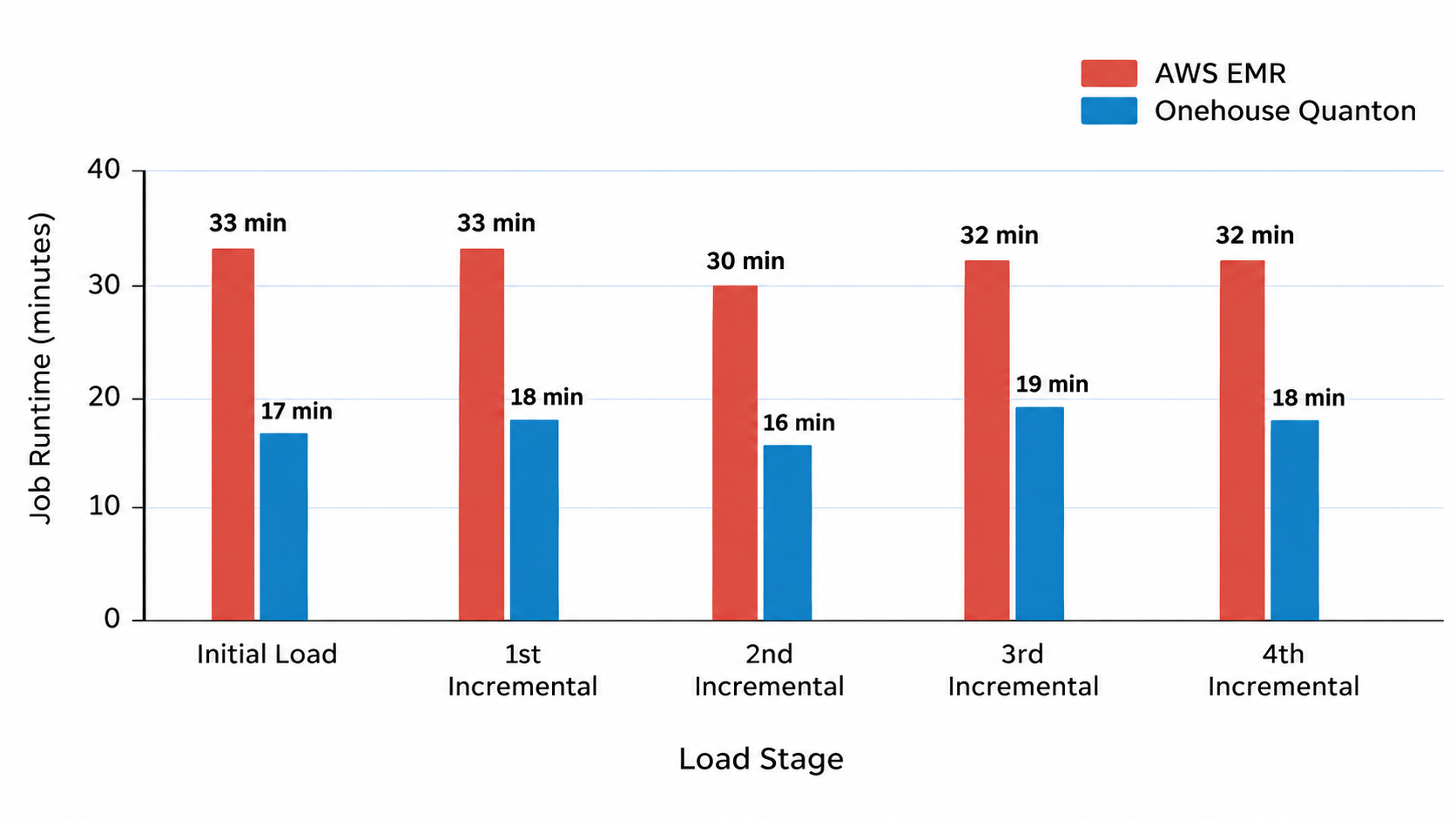
The results validated Onehouse’s technological advantage:
- The benchmark demonstrated a consistent 40% to 50% reduction in end-to-end job runtime on Quanton compared to EMR.
- A representative production pipeline that previously required 30 to 33 minutes on EMR completed in just 16 to 19 minutes on Onehouse across both initial and incremental loads.
Based on these verified performance gains, seamless Spark RDD execution fidelity, and the high caliber of Onehouse’s engineering team, Cardlytics and Onehouse initiated a comprehensive production migration.
The Modern Lakehouse Architecture: Co-Engineering in the Customer VPC
To power Cardlytics Purchase Intelligence, our joint engineering teams deployed an enterprise architecture that cleanly isolates control logic from data processing while preserving complete data sovereignty.
Customer VPC Isolation: Control Plane vs. Data Plane
The lakehouse architecture enforces a strict security boundary:
- Onehouse Control Plane: Operates within Onehouse’s AWS account, orchestrating job scheduling, automated autoscaling, infrastructure telemetry, and 24/7 cluster health monitoring.
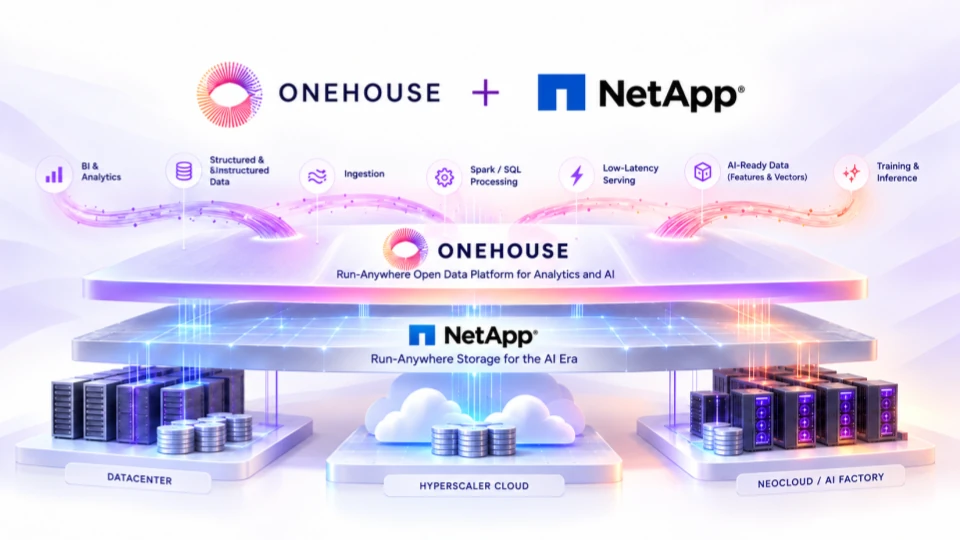
- Cardlytics Data Plane: Runs entirely within Cardlytics’ dedicated AWS VPC. Onehouse manages the underlying Amazon EKS cluster, worker nodes, and Quanton compute engine within our account. All data processing executes in our VPC, and all persistent Parquet and Hudi tables remain strictly in Cardlytics’ Amazon S3 buckets. Zero banking or cardholder data ever leaves our environment.
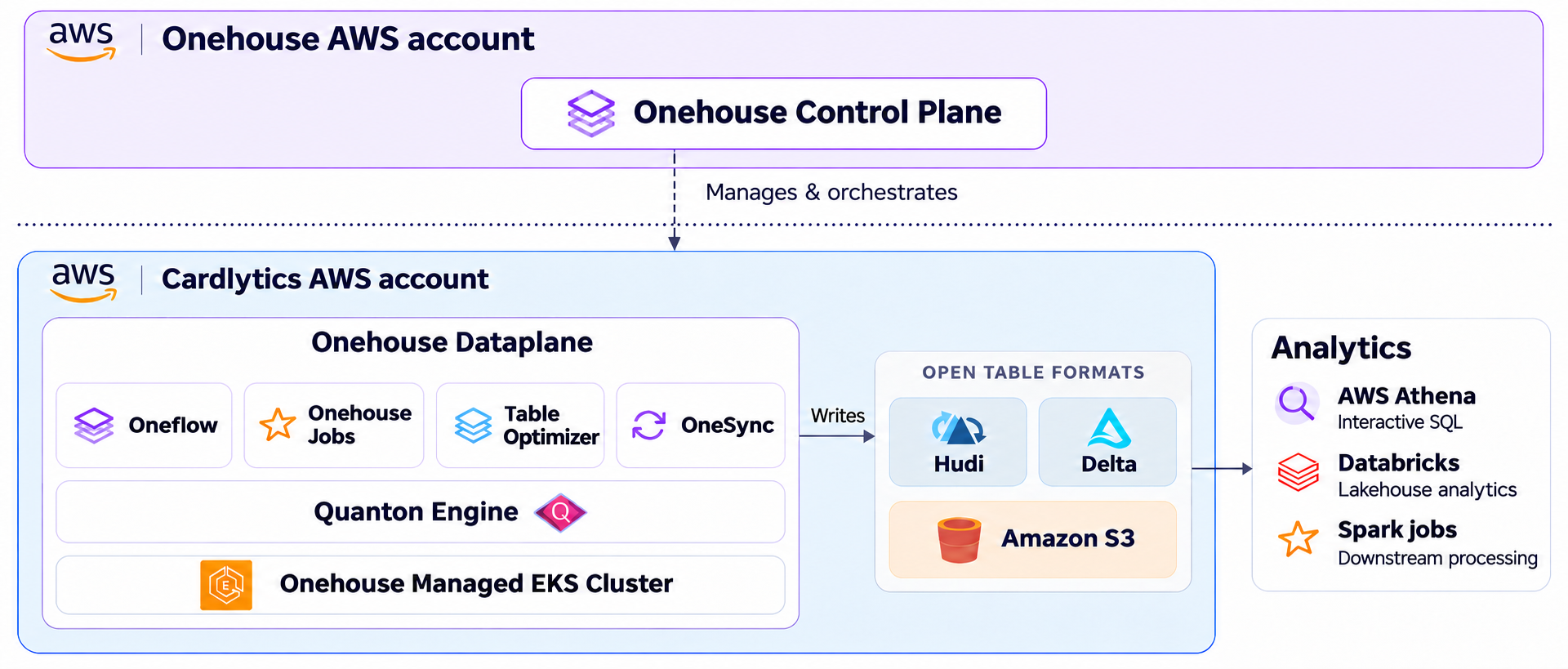
Within this secure data plane, Cardlytics leverages four integrated Onehouse platform capabilities:
1. Onehouse Jobs and Virtual Spark Clusters
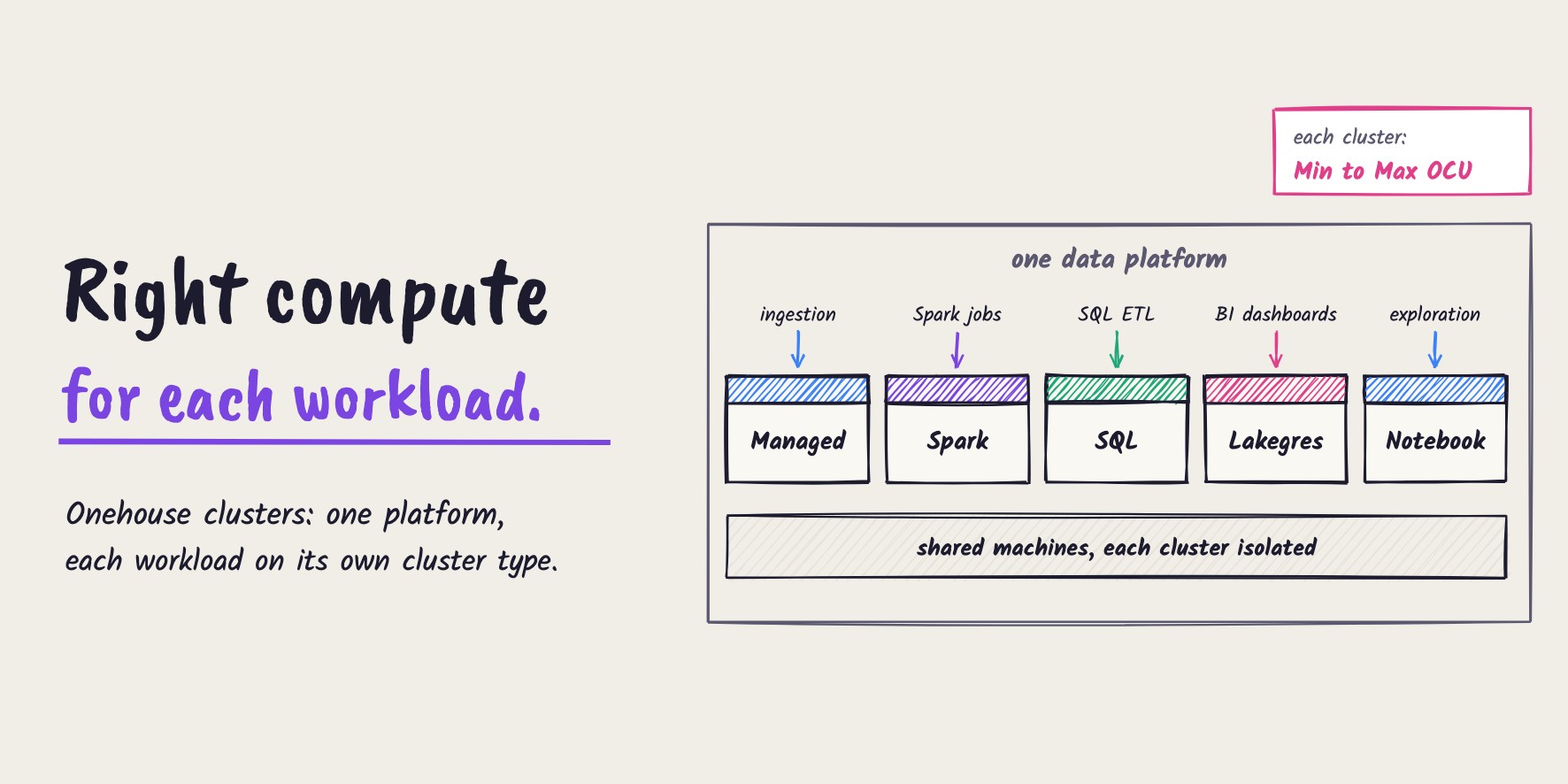
Cardlytics continues to orchestrate production pipelines through Apache Airflow, which submits Spark jobs directly via Onehouse APIs. The Onehouse platform schedules these jobs across virtual Spark clusters that share the underlying managed EKS infrastructure.
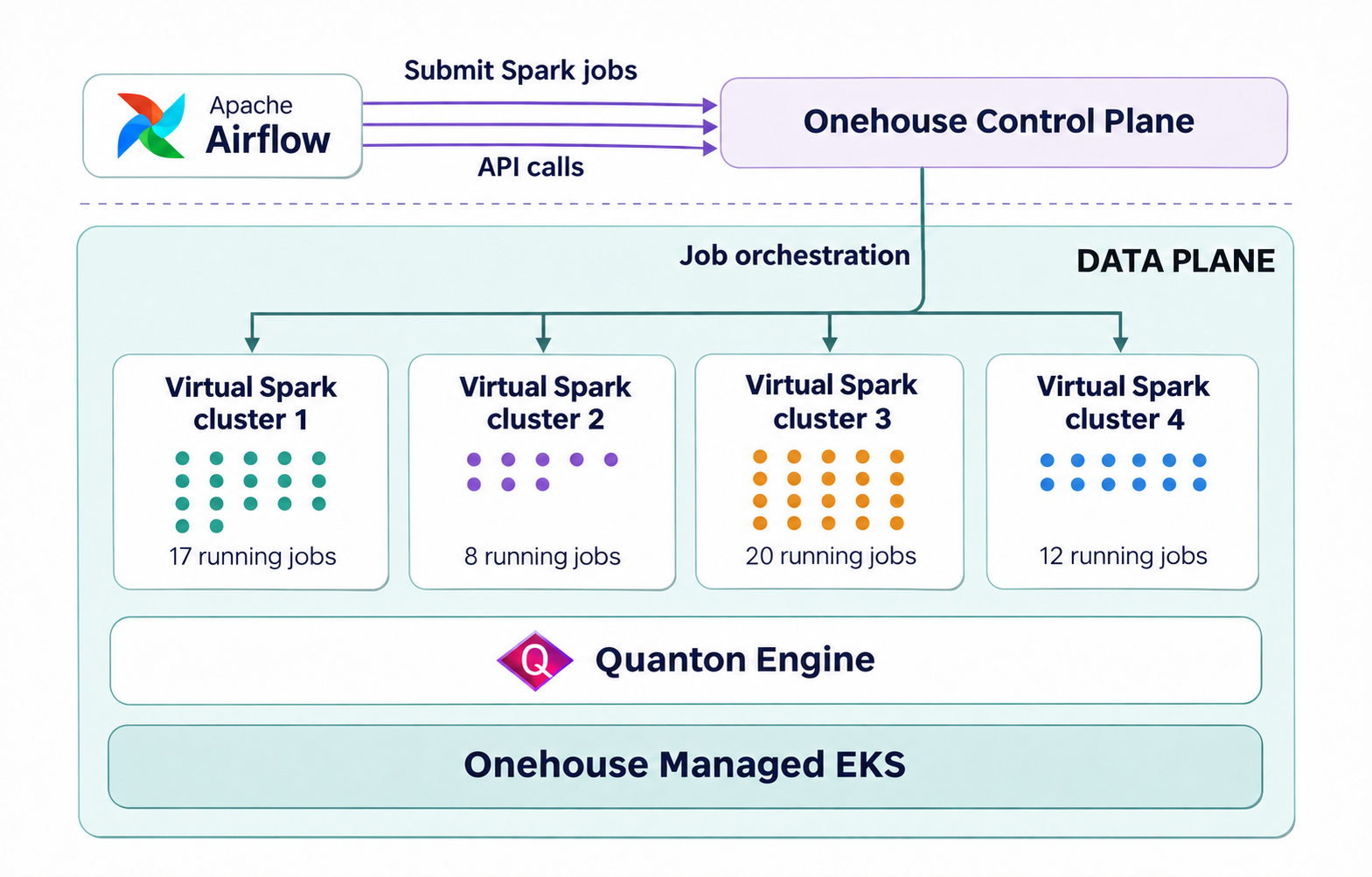
Virtual clusters enable our platform team to:
- Isolate Workloads and Teams: Dedicate isolated compute boundaries with configurable resource limits to different engineering domains (e.g., core clearing, transaction enrichment, matching).
- Group Workloads by Resource Profile: Co-locate jobs with similar CPU-to-memory characteristics on optimized instance families.
- Automated Graviton and Spot Orchestration: Virtual clusters provision AWS Graviton instances by default, capitalizing on an observed 20–25% price-performance advantage. When regional Graviton Spot capacity experiences shortages during peak hours, the Onehouse platform automatically and seamlessly falls back to equivalent x86 instances, ensuring our jobs finish without SLA interruption.
2. OneFlow: Managed Streaming Ingestion
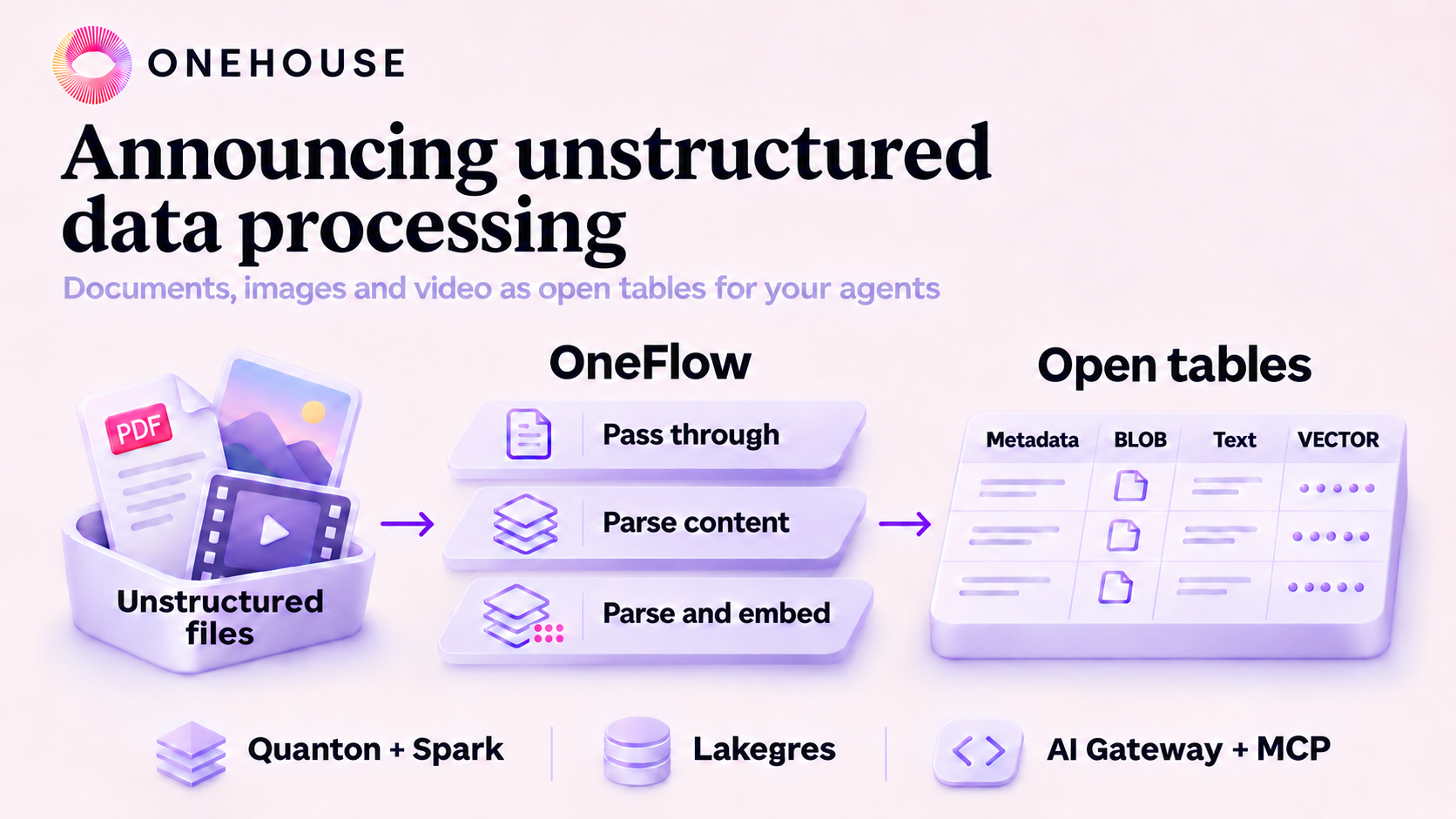
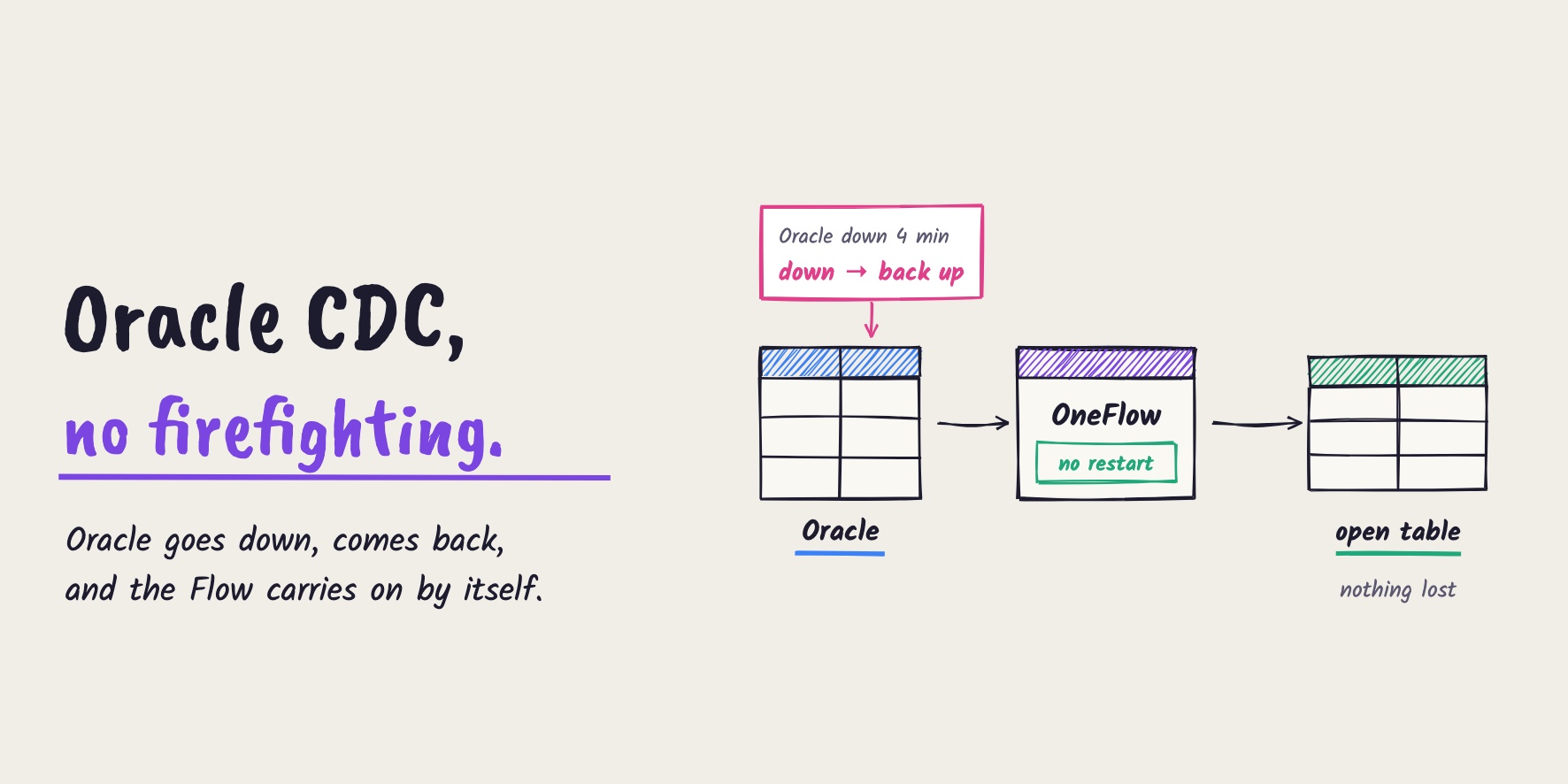
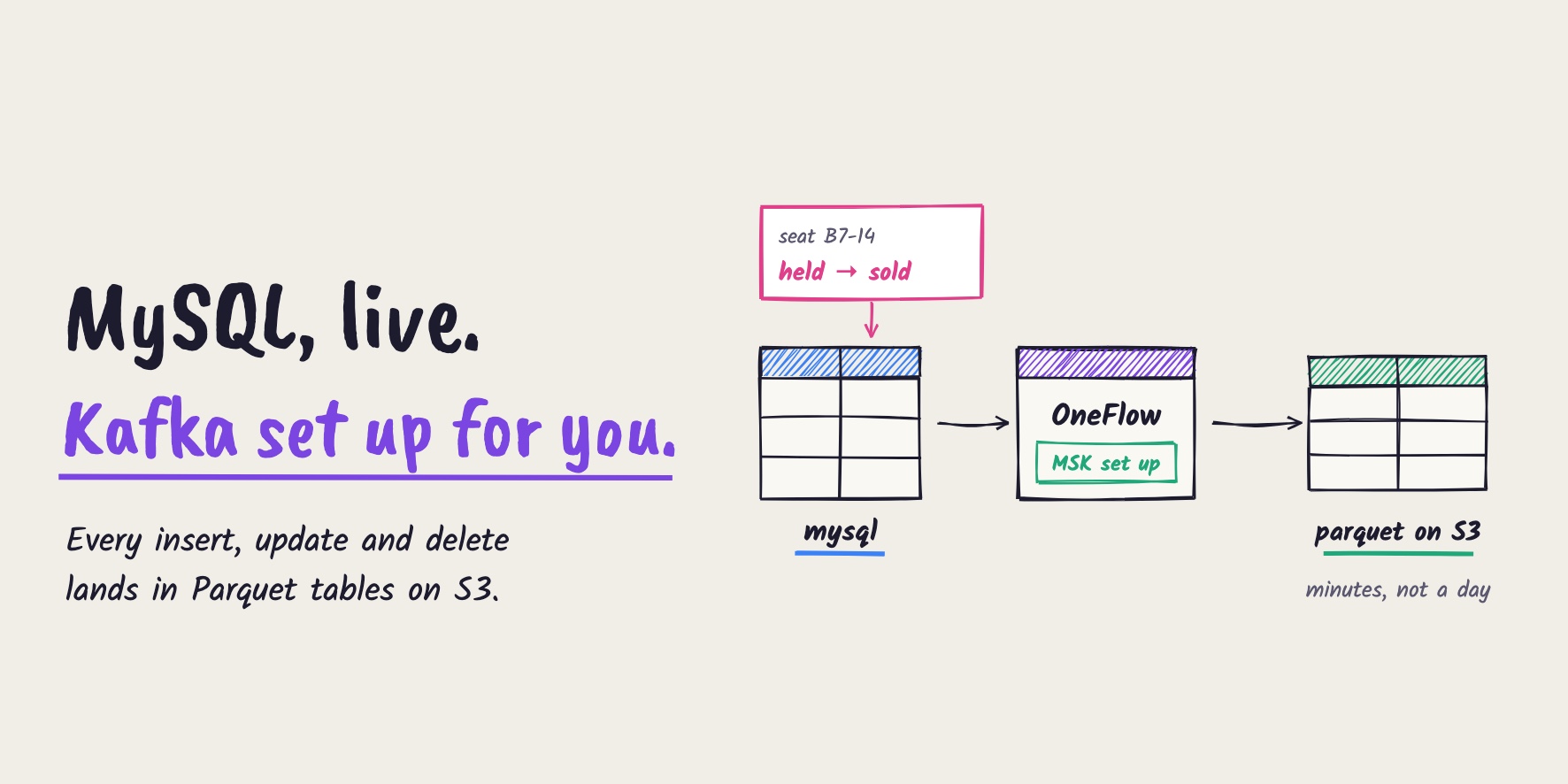
Previously, Cardlytics maintained custom Spark streaming jobs to ingest raw Kafka transaction events into Hudi tables. We replaced these with OneFlow, Onehouse’s managed ingestion service. Operating natively on Quanton, OneFlow delivers high-throughput stream ingestion without custom pipeline maintenance. New streaming feeds can be configured in minutes via APIs, backed by Onehouse platform engineers providing round-the-clock reliability.
3. Table Optimizer: Decoupled, Asynchronous Table Services
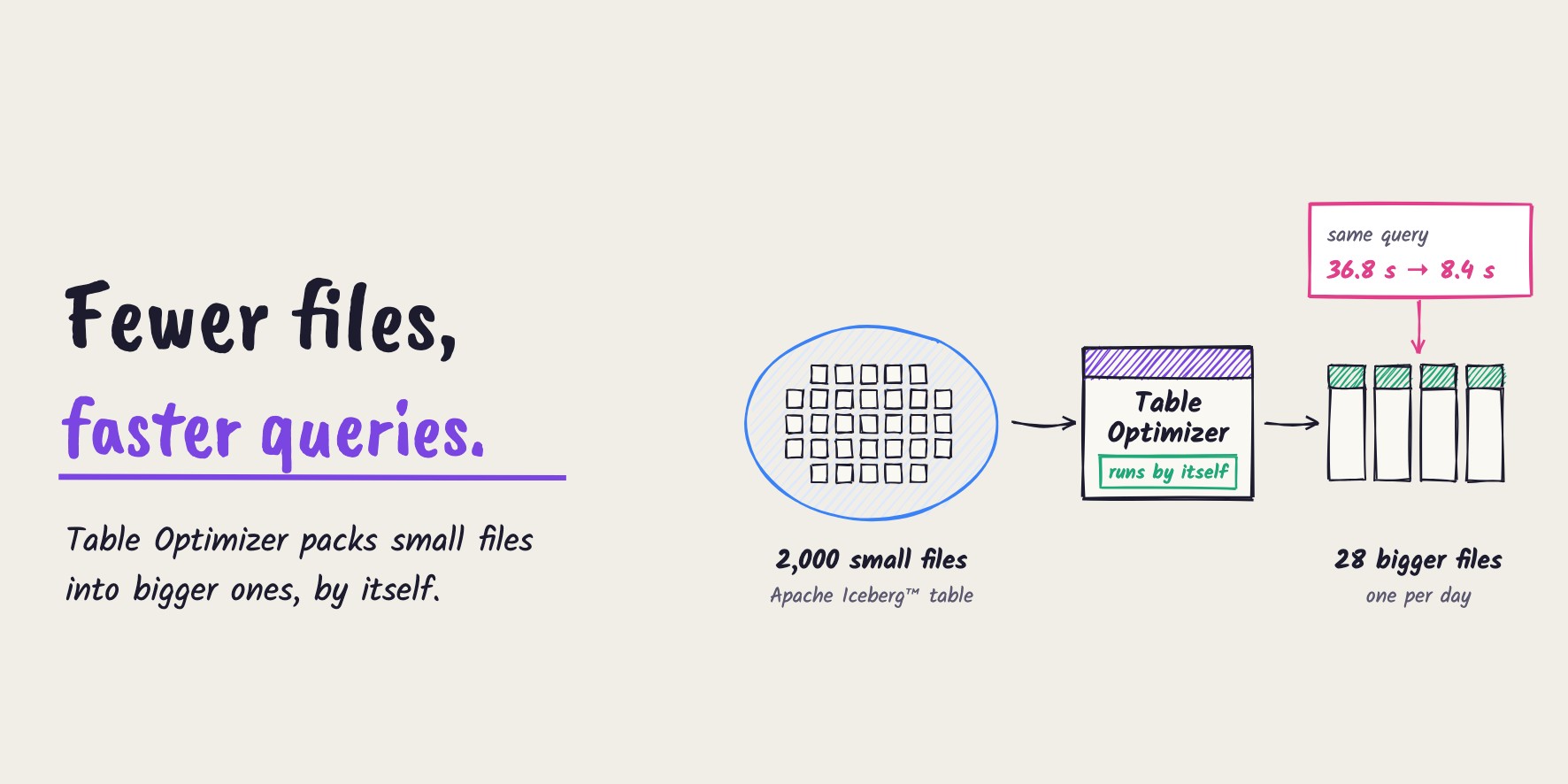
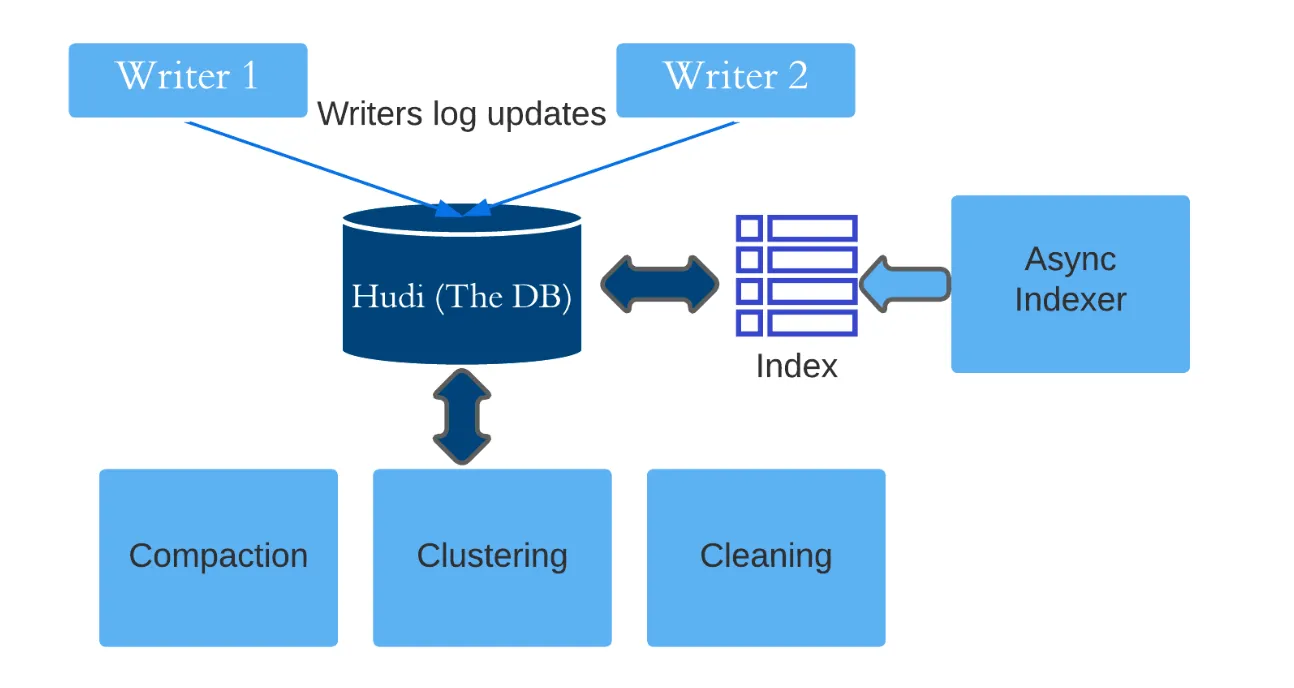
To eliminate the performance penalty of inline table maintenance, we deployed Table Optimizer. Table Optimizer runs cleaning, clustering, and compaction as autonomous, out-of-band background services. Obsolete file versions are purged, and small files are dynamically merged into optimized columnar layouts without competing for resources with active ingestion jobs. Because Onehouse multiplexes table maintenance across a shared compute pool, operational costs and pipeline failure rates dropped dramatically.
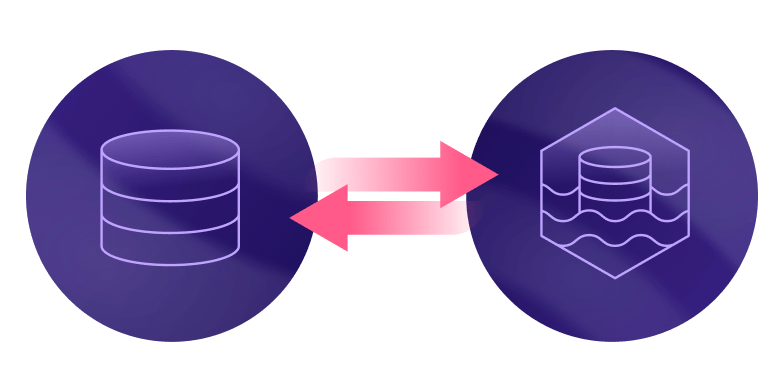
4. OneSync: Zero-Copy Universal Format and Catalog Sync
To resolve our multi-engine requirements, we enabled OneSync. OneSync automatically generates compatible metadata from our primary Hudi tables and translates it into the Delta Lake format in near-real time, keeping both the AWS Glue Data Catalog and Databricks Unity Catalog synchronized.
As a result, Cardlytics achieved a true “ingest once, query anywhere” lakehouse: our Spark pipelines write once to S3, while data scientists in Databricks query Delta tables and SQL analysts query Athena directly—with zero data duplication and zero secondary compute spend.
Beyond these core platform capabilities, Cardlytics and Onehouse engineers actively collaborate on ongoing job optimizations, workload profiling, and instance rightsizing. This close technical partnership ensures our production pipelines continuously achieve optimal price-performance as our data volumes expand.
Production Impact and Looking Forward
Over the past year, the collaboration between Cardlytics and Onehouse resulted in the successful migration of more than 600 production pipelines, processing over 16 PB of data across 1.2 million job runs.
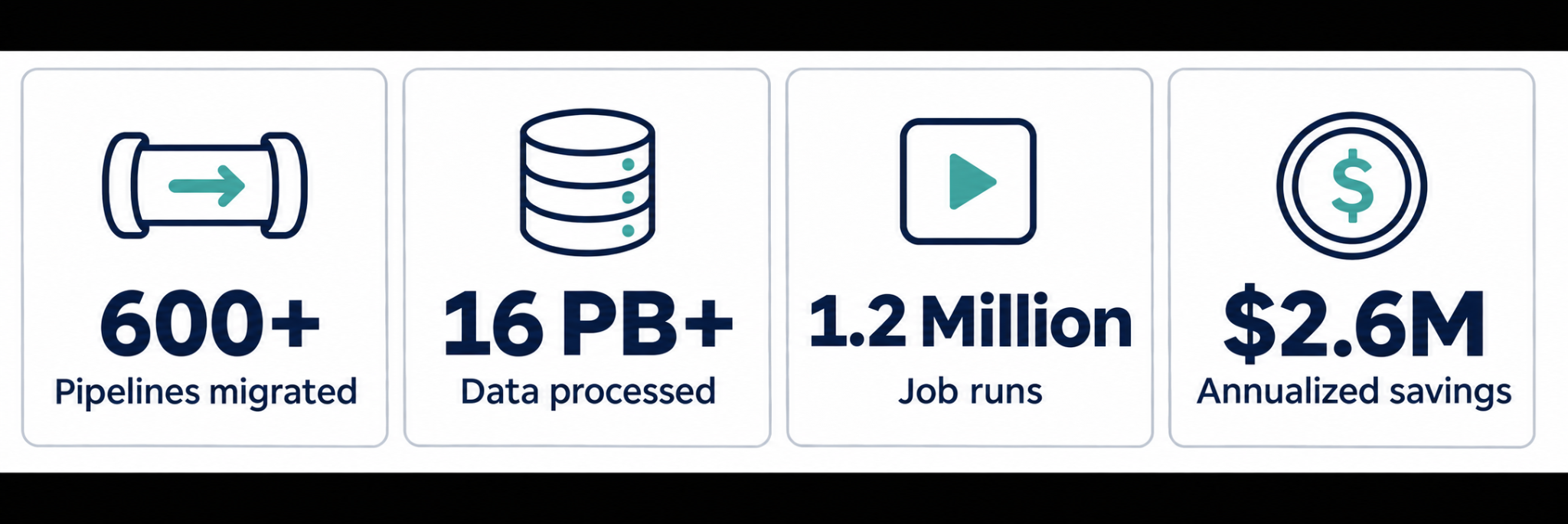
The joint deployment delivered transformative results across our organization:
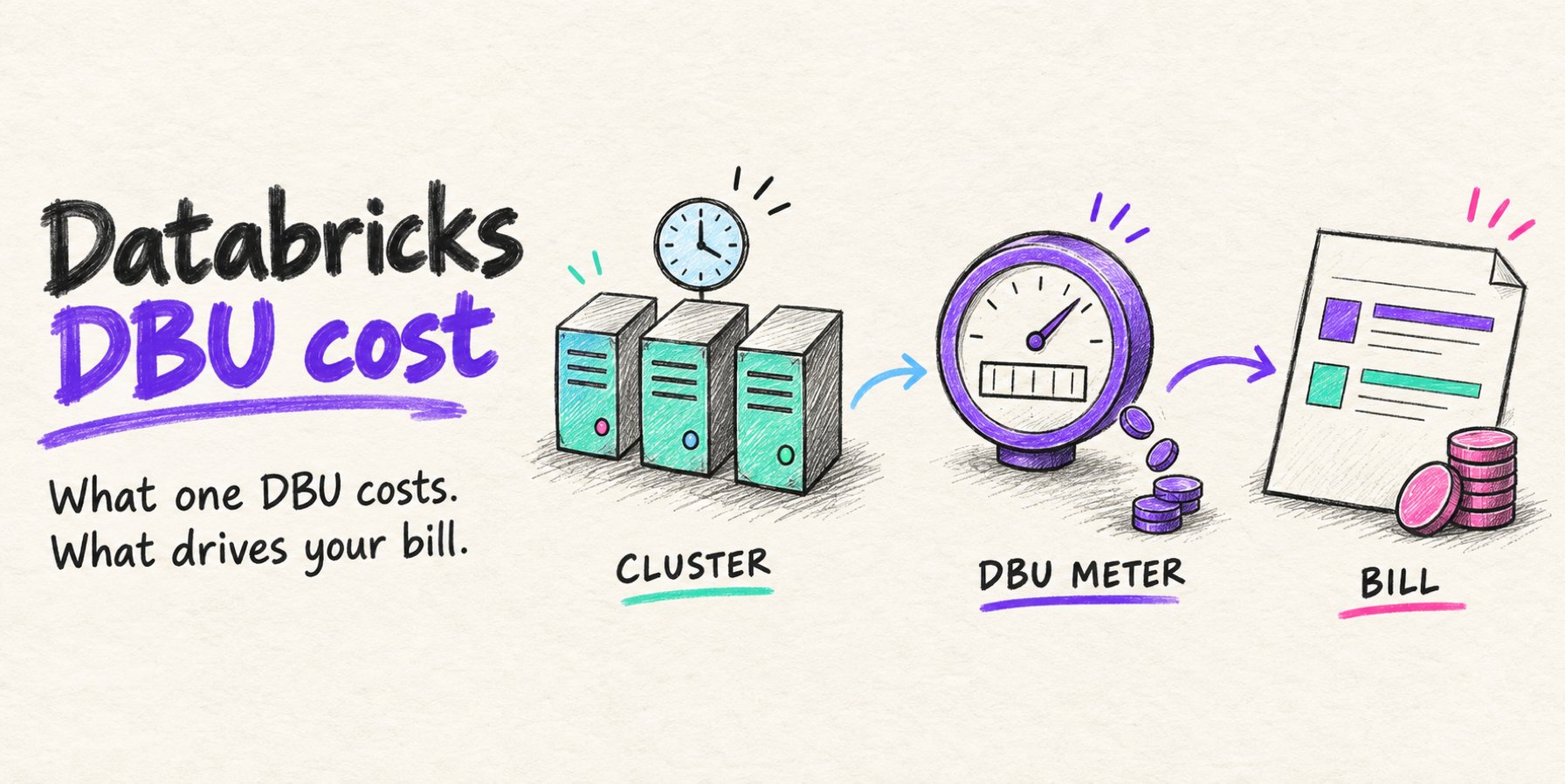
- $2.6 Million in Annualized Infrastructure Savings: Driven by Quanton’s vectorized execution efficiency, Graviton rightsizing, and decoupled table maintenance.
- 40% to 90% Faster Job Runtimes: Core production jobs completed 40% to 45% faster on average, with heavy shuffle workloads accelerating by up to 90%, easily beating critical partner SLAs.
- Elimination of Operational Tax: Platform engineers transitioned away from tedious Kubernetes and JVM triage, refocusing efforts on core data products and machine learning innovation.
- Unified Multi-Engine Access: Full data interoperability across Athena, Databricks, and Spark from a single physical Parquet storage layer on Amazon S3.
Over the past year, Cardlytics and Onehouse moved more than 600 production pipelines onto a managed lakehouse without rewriting the Spark code behind them. The result is a data foundation that runs faster, costs less to operate, and takes less engineering time to maintain. That foundation supports the offers and rewards our consumers receive and the measurement our brand partners rely on. As our purchase intelligence platform reaches more banking and commerce partners and new publisher experiences, this architecture gives us room to grow. We’re grateful to the Onehouse team for the close collaboration.
Authors

Upendra Lingareddygari is a Principal Software Engineer at Cardlytics, where he architects the petabyte-scale data infrastructure powering the company’s purchase intelligence platform. He specializes in large-scale distributed systems, Apache Spark, and modern lakehouse architecture. Prior to Cardlytics, he tackled complex software engineering challenges at Twitter, Electronic Arts (EA), Amazon, and Verizon.

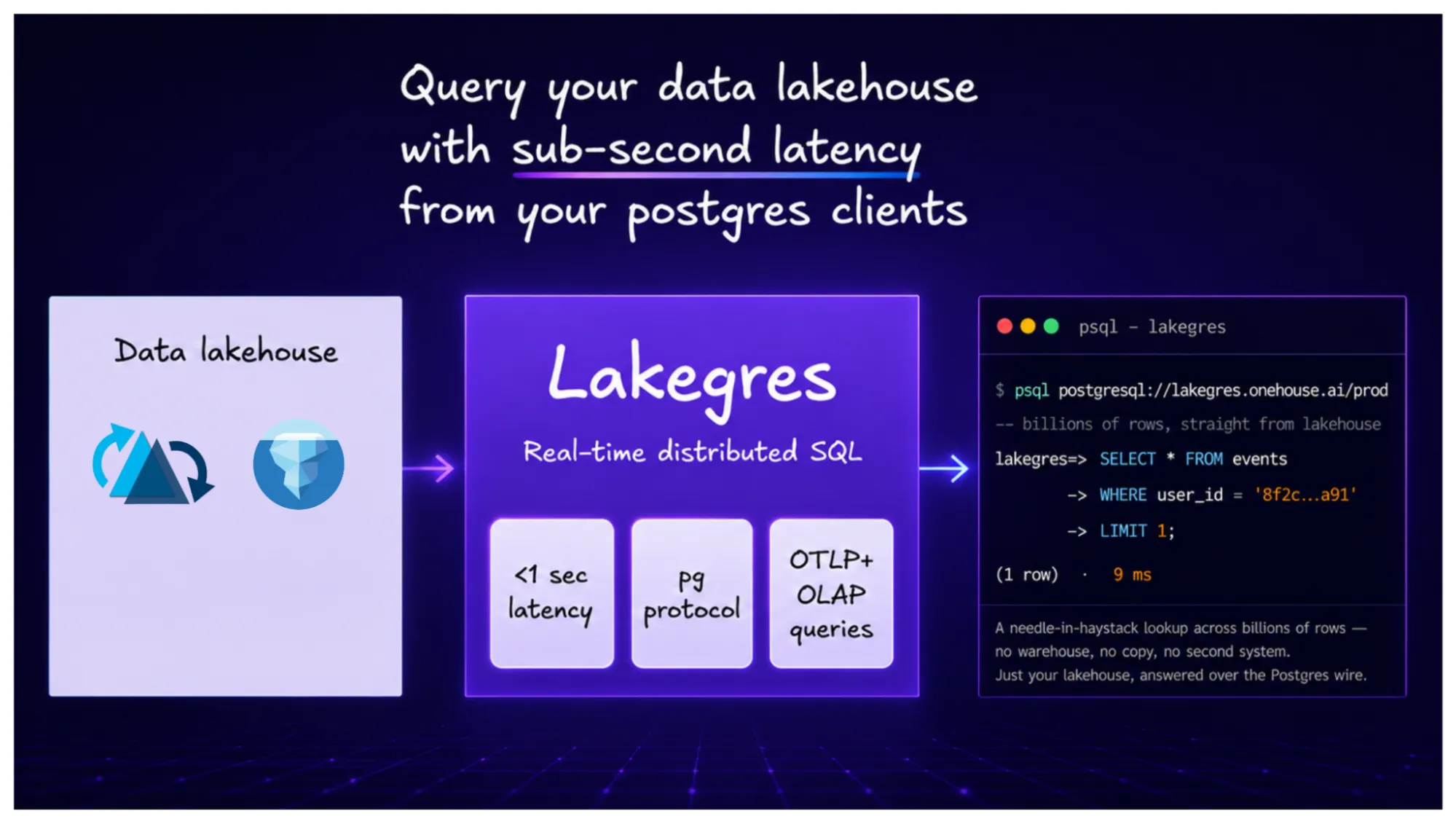
Rajesh Mahindra is a founding engineer and currently leads the data infrastructure teams at Onehouse. He leads the development of Quanton, the engine that powers the Onehouse Lakehouse platform and runs workloads up to 6× faster than Apache Spark. He also leads the development of Lakegres, an interactive query engine for lakehouse analytics that delivers queries up to 10× faster than Trino and Presto. Previously, he was a technical lead manager at Uber and began his career at NEC Laboratories America.
Contributors
- Swati Bias (Cardlytics)
- Ethan Li (Cardlytics)
- Selim Nemsi (Cardlytics)
- Upendra Lingareddygari (Cardlytics)
- Vinish Reddy Pannala (Onehouse)
- Davis Zhang (Onehouse)
- Lin Liu (Onehouse)